




Blog / Vassar Buick Service

7 Signs Your Chevy's Suspension Needs Attention

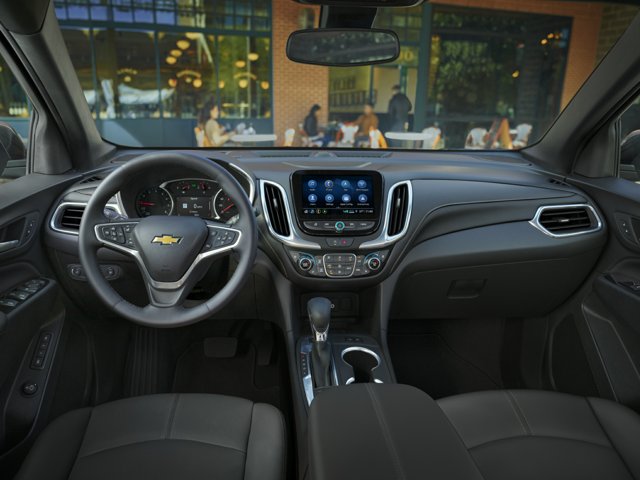
The inside seats of a Chevrolet vehicle

Many drivers don't realize how vital their suspension is for safe, comfortable, controlled driving until the shocks, springs, and struts deteriorate. Excessive bouncing, wonky cornering, dipped braking, and loose steering are all signs you need to visit your Chevy dealer for immediate suspension repair. Let's look at the key symptoms of a faulty suspension in more detail. 

Bouncing on Each Bump and Dip

The primary purpose of the springs in the suspension is to absorb the impact of any road roughness. If one or more springs have worn out, your car will start bouncing hugely over every bump and depression in the road. This makes driving considerably less comfortable.

Nose Diving When You Brake 

Whenever you brake, the momentum of the vehicle sends its weight to the fore of the car. This significant forward force is usually countered by a strong suspension. But if your suspension is faulty, the nose of your car will start dipping excessively whenever you brake before rocking back into an even position.

Excessive Rolling When Cornering

Similarly, the suspension is supposed to keep your car level when you corner. With a malfunctioning suspension, your car might roll alarmingly with the weight of inertia every time you navigate a turn. 

Imprecise Steering and Handling

A healthy suspension keeps your wheels under tight control, responding precisely to all steering inputs. With a suspension fault, this connection is weakened, loosening your steering and impacting your overall vehicle handling. 

Squeaks, Rattles, or Clunking Noises 

Strange noises from under your car may point to a worn-out suspension component, which is no longer keeping two car parts at the correct distance from each other. If you continue driving without resolving the issue, the squeaking, rattling, knocking parts will become further damaged. 

Persistent Veering to One Side 

Wheel alignment depends mostly on the suspension. Faulty suspension parts may cause a wheel or two to become misaligned. This can lead the vehicle to pull to one side. Misaligned wheels can also exacerbate problems with the steering, braking, and tires. 

Leaning Toward One Corner 

When parked, each corner of your car should be a uniform distance from the ground. If you notice your vehicle leaning awkwardly toward one corner, you almost certainly have a suspension problem. The springs are failing to hold that part of the car at the proper height. 

Ask Your Chevy Dealer for Regular Suspension Repair and Inspections

With routine suspension inspections at your local dealership, our technicians can tune up your suspension and preempt the need for more serious repairs. It's generally advised for drivers to have their suspension examined and repaired once a year. 

Visit Cook Chevrolet in Vassar, MI, today to have your suspension inspected or repaired by qualified professionals. We're a local community-oriented dealership that's been delivering top-notch cars, services, and customer care for over 35 years. 

Image via Chevrolet
Posted in:

Related Posts

A greenish blue Chevrolet Tahoe

Why Regular Tire Rotations Are Essential for Your Chevy's Longevity

The number one threat to a car's longevity is any kind of collision; even minor rear-enders can deal irreparable damage. And in many respects, your tires are your primary defense against road accidents, ensuring precise steering and allowing your brakes to stop you on a dime. Regular rotations are key to prolonged tires. Read on to learn about how routine tire rotations at your local Chevy dealer will keep you and your car safe and in terrific shape for longer. more Extend the Lifespan of Your Tires Tires tend to wear down unevenly because of unbalanced weight distribution across the vehicle, among other factors. Rotation involves the tires getting swapped around, thereby evening out the wear and tear. This prevents just one or two tires from losing tread depth ahead of the others, extending the lifespan of the entire set of four. Reduce Damage to Connected Car Parts Uneven tires exert awkward pressure on closely connected car parts, such as the suspension, steering system, wheel axles, and brakes. This becomes harmful for the vehicle as a whole, increasing the number of faults you'll experience while also shortening the car's longevity. Increase Your Overall Road Safety When tires become uneven in size and wear patterns, they can no longer grip the road as reliably as before. This puts you at risk of skids and even blowouts, as the weaker tires become more susceptible to damage. By keeping your tires uniform in size and condition with routine rotations, you're ensuring both you and your car stay safe for longer. Enjoy a More Pleasurable, Comfortable Ride The more you enjoy your vehicle, the more motivated you are to keep it in good shape with regular maintenance. Essential routine services like rotations keep your car running smoothly with fewer vibrations, lower road noise, and more precise handling: a far more pleasurable driving experience in every way. Rotate Tires Twice a Year at Your Local Chevy Dealer Most drivers should have their tires swapped around twice a year at a minimum. During this procedure, our courteous, seasoned technicians can also inspect each tire for signs of damage or premature wear. Schedule routine rotations at Cook Chevrolet in Vassar, MI. We can promptly rotate your tires, returning traction, handling, and overall performance to optimal condition. Over time, our top-notch vehicle services will maximize the longevity and value of your car. Image via Chevrolet

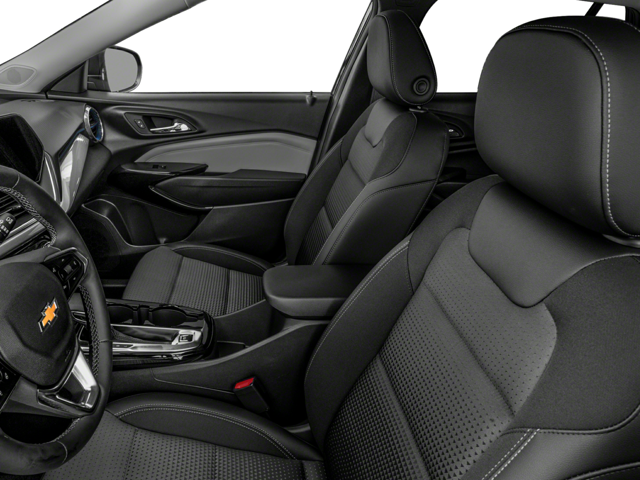
The front driver and passenger seat of a Chevrolet vehicle

The Importance of Regular Oil Changes for Your Chevy

One of the most vital aspects of vehicle maintenance is oil change. Your Chevy dealership knows the right type of oil to ensure your car runs smoothly. more 1. Lubrication of Engine Components The pistons, valves, and other engine components move at high speeds under your car's hood for the entire time you're driving. Oil lubrication helps prevent wear and tear due to friction forces. Our dealership will ensure your oil is kept at an optimal level, as having too little oil can negatively affect your engine's performance. 2. Removes Engine Wear Particles Dirt particles are deadly to engines. Over time, oil accumulates contaminants such as dust and metallic shavings, which can cause corrosion and reduce your engine's lifespan. To avoid this, it is crucial to keep the engine clean. Routine oil and filter changes help remove harmful particles to ensure an enjoyable driving experience. 3. Better Mileage A properly working engine provides the very best mileage when traveling. Fresh oil maintains the correct viscosity, which is critical for reducing the friction inside your engine. As engine oil ages, it can lose its viscosity properties. Thick, old oil increases the friction between the engine parts, making your engine work harder and burn more fuel. Clean oil ensures the vehicle maintains its ideal viscosity level, enabling smooth engine functioning and better fuel efficiency. 4. Enhances the Longevity of Your Vehicle When oil is dirty or depleted, your car works harder. From terrible fuel economy to reduced engine power, everything takes a heavy toll on your Chevy. Over time, that extra work will increase the wear and tear on your vehicle, leading to a decrease in the engine's life and other costly repairs. Why Change Your Car Oil at a Chevy Dealership? Typically, it is recommended that you change your car oil every 5,000 to 7,000 miles. However, changing oil can be messy and time-consuming. If you aren't careful, the oil will get everywhere. In addition, if the oil drain plugs get damaged in the process, the oil may leak from your car. Our dealership has skilled technicians and the right tools to get the job done. Check your Chevy owner's manual for the factory-recommended oil replacement intervals. If you need to change your oil or have any automotive issues, visit us at Cook Chevrolet in Vassar, MI. We'll gladly help keep your car in peak working condition. Image via Chevrolet